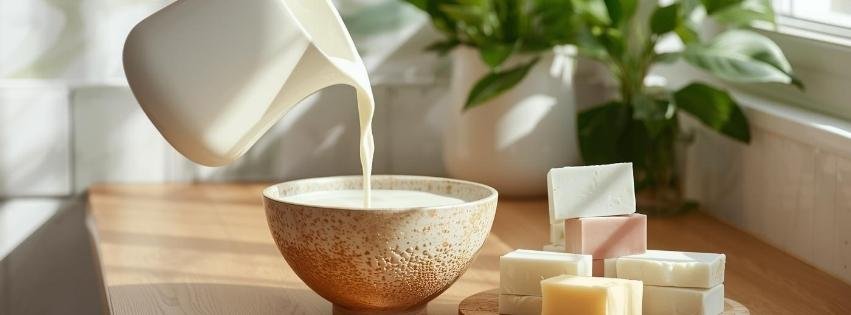
A Not-So-New Ingredient (Despite What Instagram Might Say)
Goat milk soap sometimes gets talked about like it’s the latest big skincare discovery. But the truth is—it’s been around way longer than trending reels and aesthetic bathrooms 😄
Long before ingredient lists were buzzwords and skincare routines had ten steps, people used what they had. And for many families, that included goats… and a whole lot of goat milk.
That milk naturally made its way into soapmaking—not because it was fancy, but because it worked.
Why Goat Milk Found Its Way Into Soap in the First Place
Traditional soapmakers weren’t trying to reinvent skincare. They were trying to make soap that felt good, lasted well, and didn’t leave skin feeling unhappy afterward.
Goat milk checked those boxes.
When used in soap, goat milk helps create a bar that:
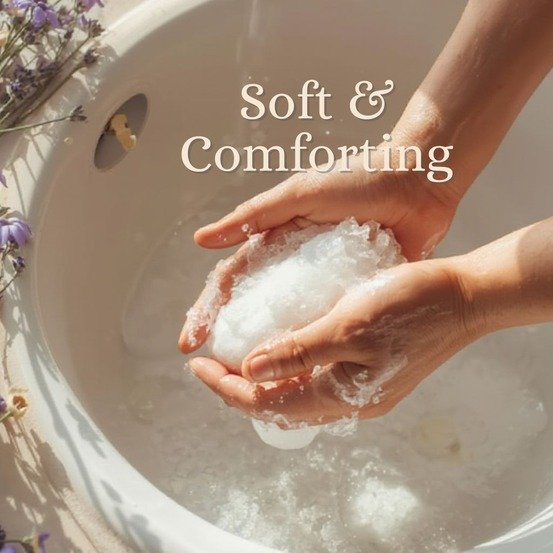
- Feels creamy and comforting
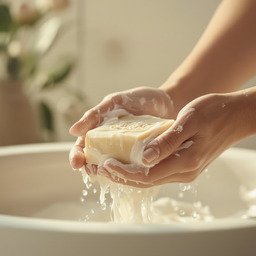
- Produces a rich, satisfying lather
- Fits well into simple, everyday routines
It’s one of those ingredients that quietly does its job without needing a spotlight—and honestly, I love that about it.
Why Goat Milk Is a Staple in My Soap
For me, goat milk isn’t a trend ingredient or a marketing angle—it’s a foundation. I chose it because it aligns with how I want my soap to feel and how I want my business to operate: steady, thoughtful, and rooted in care.
I also love that goat milk connects my soapmaking to generations before me. There’s something grounding about using ingredients that people trusted long before we had labels telling us what to think.
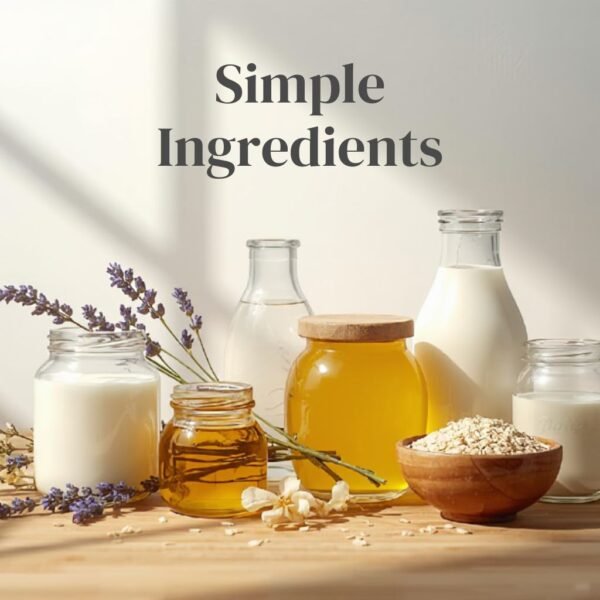
Simple Ingredients, Faithful Work
As a Christian, I think a lot about stewardship—using what we’re given wisely and with intention. Goat milk feels like a good example of that. It’s simple. It’s practical. And it doesn’t pretend to be something it’s not.
Sometimes the most meaningful choices are the quiet ones—the ones that don’t need convincing or exaggeration.

Why Goat Milk Still Matters Today
With all the modern skincare options available, it might seem surprising that goat milk soap is still so popular. But I think that’s exactly why it matters.
More people are looking for:
- Simpler ingredient lists
- Products made with care, not urgency
- Things that feel familiar and trustworthy
Goat milk soap fits beautifully into that shift.
Looking Ahead to March
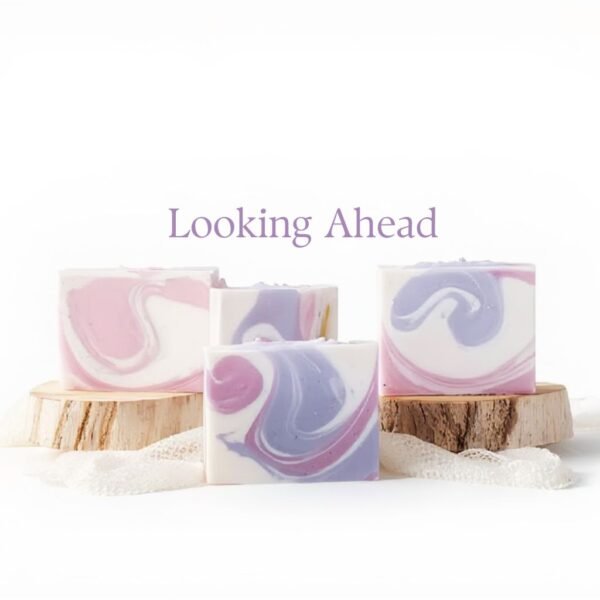
As I prepare for the Goaty Goat Soap relaunch on March 1, goat milk will remain at the heart of my soap bars, shampoo bars, and conditioner bars—just as it always has.
If you’ve never tried goat milk soap before, this next season might be a really lovely place to start 🐐🤍
FAQs
Why has goat milk been used in soap for so many years?
Goat milk has been used in soapmaking for generations because it was readily available, practical, and effective. Historically, families used ingredients they could source locally, and goat milk naturally became part of traditional soap recipes due to the creamy, gentle qualities it brings to soap.
Is goat milk soap different from regular soap?
Goat milk soap differs mainly in how it feels during and after use. Many people find it produces a creamier lather and a softer, more comforting feel compared to soaps made without milk. The overall experience is often described as gentle and balanced.
Is goat milk soap still relevant with modern skincare options?
Absolutely. Even with today’s wide range of skincare products, goat milk soap remains relevant because it aligns with a desire for simplicity, transparency, and time-tested ingredients. Many people appreciate returning to products that have been trusted for generations.
Who typically chooses goat milk soap?
Goat milk soap is often chosen by people who prefer simple, traditionally made products and ingredient-conscious routines. Families, individuals with dry-feeling skin, and those seeking a milder soap experience are commonly drawn to goat milk-based soaps.